
Software Numroto
Proven standard solution as an alternative to SIGSpro
Proven standard solution as an alternative to SIGSpro
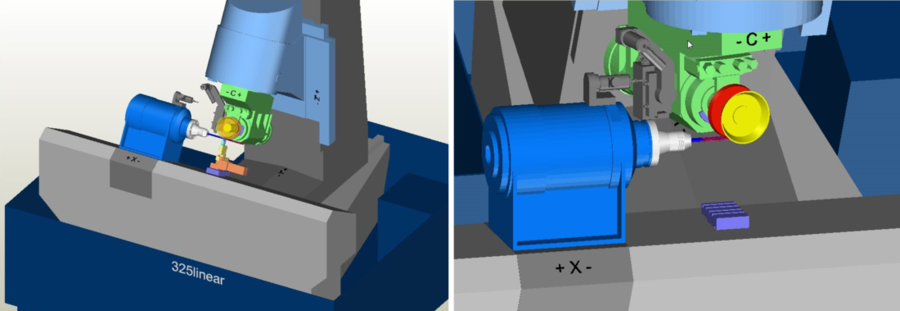
NUMROTO is a complete solution for tool grinding that has been used on machines from different manufacturers for more than 25 years. By popular demand of the user, the 335linear is available with either SIGSpro or NUMROTO.
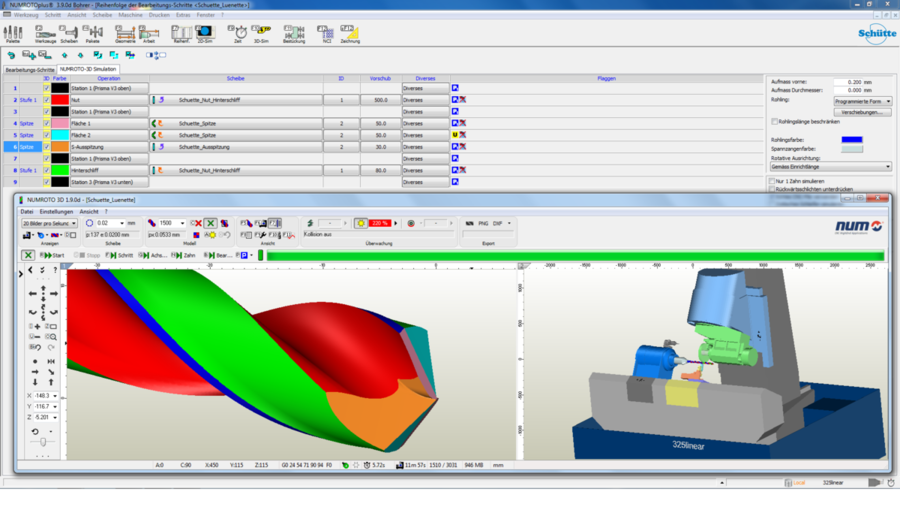
The core of NUMROTO is the NUMROTOplus programming system. With NUMROTOplus, a huge variety of tools can be produced and sharpened. Each detail of the individual tools can be changed and thus adapted to individual needs. NUMROTOplus is constantly being expanded with new workpiece geometries and features, making it a future-oriented investment.
For decades, the disciplines of animal behavior and veterinary science ran on parallel tracks. Veterinary medicine was historically concerned with the physiological mechanics of the body—treating disease, repairing injury, and managing reproduction—while animal behavior was often relegated to the realm of ethology (the scientific study of animal behavior in nature) or dog training. However, the modern landscape of veterinary practice has undergone a paradigm shift. Today, the integration of behavioral science with clinical medicine is recognized not as an optional luxury, but as a fundamental requirement for ethical and effective care. This essay explores the symbiotic relationship between these fields, examining how behavior serves as a vital diagnostic tool, the intersection of stress and pathology, and the necessity of behavioral welfare in the veterinary profession.
Many behavioral problems are rooted in physical pain. By analyzing these shifts, veterinary professionals can pinpoint hidden ailments:
Removing a reward to decrease a behavior (e.g., turning your back on a jumping puppy). 3. Common Behavioral Disorders in Domestic Animals wwwzoophiliatv sex animal an
Stereotypies are repetitive, invariant behavior patterns with no obvious goal or function. They develop as coping mechanisms in restrictive or highly stressful environments.
In veterinary science, behavior is often the first "symptom" of an underlying medical issue. Because animals cannot verbally communicate pain, they express it through behavioral shifts. For decades, the disciplines of animal behavior and
The synergy between animal behavior and veterinary science represents a profound shift toward truly comprehensive veterinary medicine. By viewing the animal as a complete entity—where mental wellness directly impacts physical pathology—veterinary professionals can provide more accurate diagnoses, safer treatments, and a drastically higher quality of life for the animals in their care.
If you are interested in exploring specific aspects of this field, please tell me: Today, the integration of behavioral science with clinical
In livestock veterinary science, understanding herd behavior (flight zones, point of balance) is crucial for low-stress handling. Pioneered by experts like Dr. Temple Grandin, utilizing behavioral principles to design slaughterhouses and cattle chutes minimizes panic. This reduces injuries to both handlers and animals and significantly improves meat quality by preventing stress-induced hormone surges before slaughter. 6. The Future of the Discipline
Veterinary science has borrowed tools from human psychiatry, including the use of (e.g., trazodone, gabapentin, fluoxetine) to facilitate behavior modification plans. This is not "doping" the animal; it is lowering the anxiety threshold so the animal can learn and be examined without terror.
During the COVID-19 pandemic, veterinary telebehavioral health exploded. Owners can film their pet in their home environment—where true behavior occurs—and send the video to a veterinarian. This is infinitely more valuable than a 15-minute exam in a sterile, scary exam room. The American Veterinary Medical Association (AVMA) now supports telemedicine for follow-up behavioral consults.
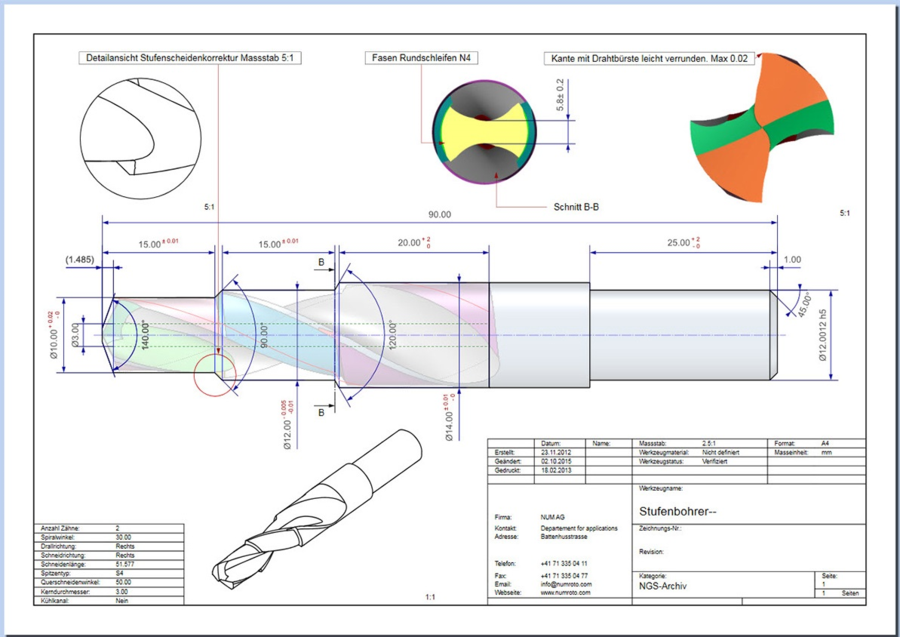
The programmed workpieces can be documented in the form of a workshop-specific drawing using the additional NUMROTO Draw function.


Echo Mag © 2026