: A prime example of late 90s streetwear—oversized fits, bucket hats, and retro sneakers. 💬 Community Sentiment Many collectors and fans of the genre discuss as the "gold standard" for several reasons: The "Realness"
Over two decades later, this specific entry, also known as StraĂźenflirts Folge 23 , continues to be hailed as a high-water mark for the long-running Magmafilm series. But what exactly makes this 1999 release so special? And why has the phrase " Strassenflirts 23 1999 better " become a rallying cry for fans who feel that modern iterations have lost their way?
Strassenflirts " (StraĂźenflirts) series is a long-running German adult film franchise produced by Magmafilm and MTC GmbH. The specific entry, , is often associated with 1999 or 2000 in various databases and follows previous installments like Strassenflirts 17 and 19 .
, released in 2000 , is a specific entry in the long-running German adult video series of the same name, produced by MTC GmbH . The keyword "Strassenflirts 23 1999 better" likely refers to a common comparison among fans regarding whether the year 1999 (which saw the release of Strassenflirts 21 ) or the year 2000 (which featured Strassenflirts 23 ) represented the peak of the franchise's "street flirt" format. The Context of the Strassenflirts Series
: Understanding and respecting boundaries, making the interaction enjoyable for both parties.
The following performers are credited in this specific installment: Mirco Schebsdau (as Mike) Ilene Blue Kati Crown (also credited as Regina Petit) Cerien Danja Karina Rita Series Context
. While the 23rd installment was released in 2000, the series was most prominent in the late 1990s, with various titles like StraĂźenflirts 17 StraĂźenflirts 19 being released in 1999. Key Features of StraĂźenflirts 23
You can spend weeks texting someone on an app, building up a false sense of intimacy, only to meet in person and realize there is absolutely no spark.
The late 1990s represented a unique period for adult cinema. Productions often had larger budgets and a cinematic quality. The use of film stock, real locations, and a greater emphasis on story could give these films a more organic and immersive feel. In contrast, modern entries shot on digital video can sometimes lack this texture.
Was Strassenflirts 23 from 1999 objectively better? Yes. Because it captured humans before we became avatars. Now go outside and flirt like it’s 1999.
The "better" quality cited by collectors stems from the production’s decision to eschew traditional studio sets in favor of real-life urban environments. This gave the 1999 volume a "street-level photography" vibe, contrasting sharply with the sterile ambiance of later releases. The Transitional Aesthetic: 1999 serves as a bridge between the retro aesthetic of the early-90s and the digital boom of the 2000s. Volume 23 captures the "low-fi" charm of analog film but with the narrative confidence of a series that had found its footing.
How the changed distribution networks in the year 2000 Share public link
: Interactions in 1999 were less encumbered by the distractions and etiquette complexities introduced by smartphones and social media. This pre-digital era allowed for a purer form of engagement, where the focus was solely on the interaction at hand.
Eurodance and trance beats provided the soundtrack to the city streets. Why It Gained a Cult Following
geom
ggplot2 builds charts through layers using
geom_ functions. Here is a list of the different
available geoms. Click one to see an example using it.
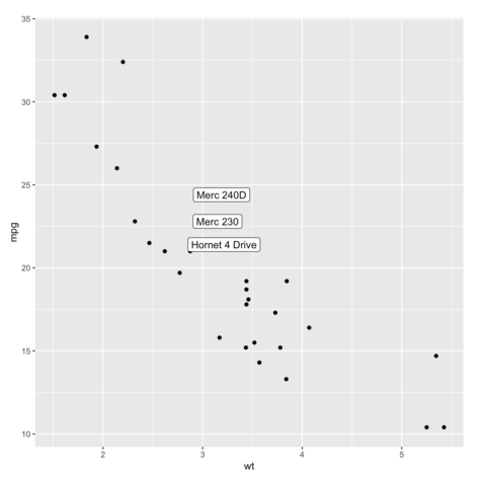
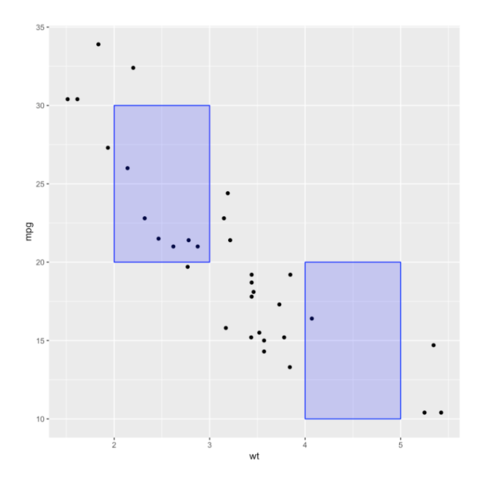
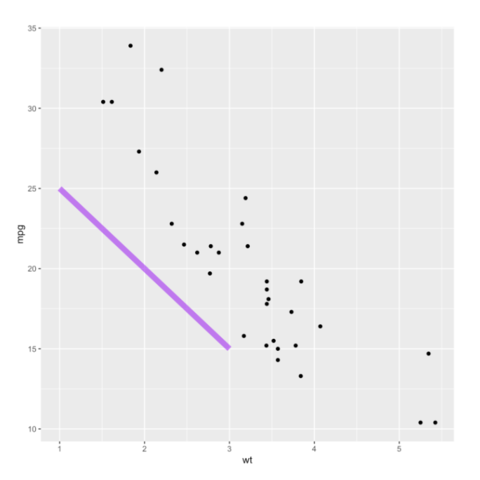
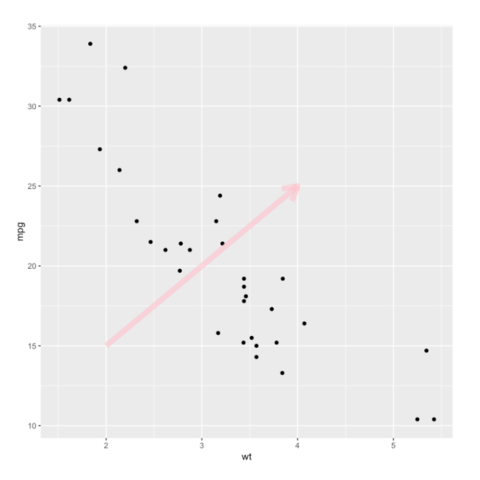
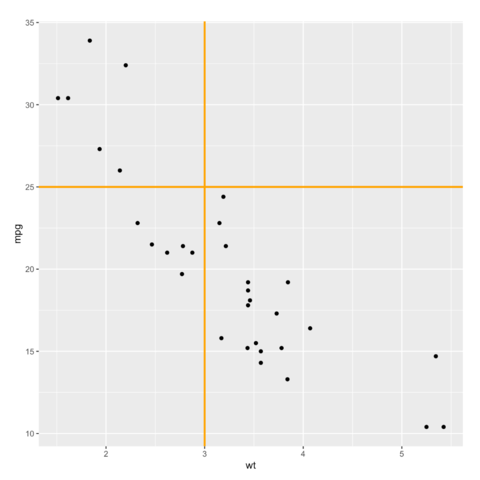
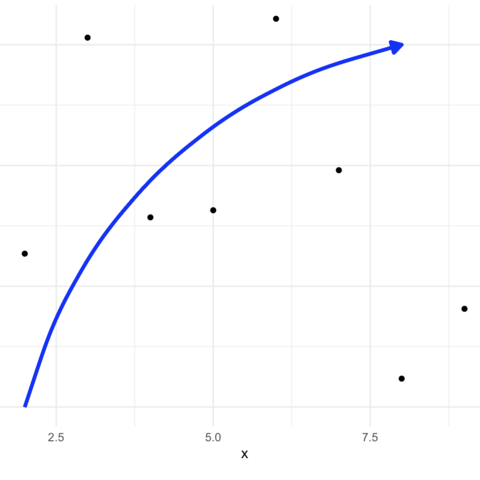
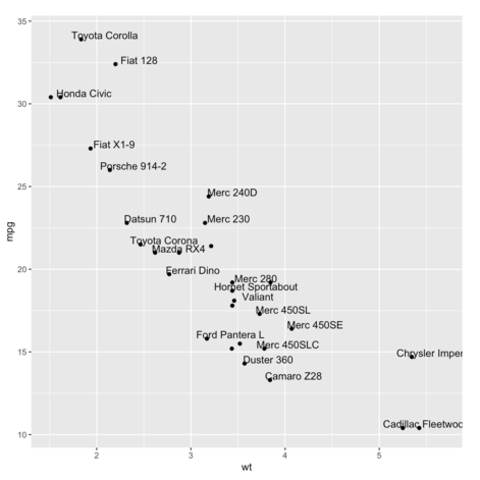
Annotation is a
key step
in data visualization. It allows to highlight the main message of the
chart, turning a messy figure in an insightful medium.
ggplot2 offers many function for this purpose, allowing
to add all sorts of text and shapes.
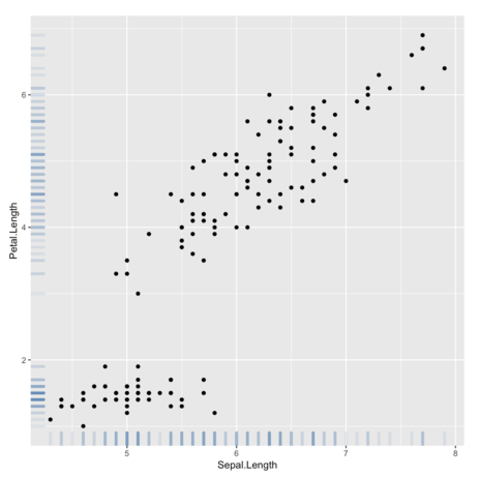
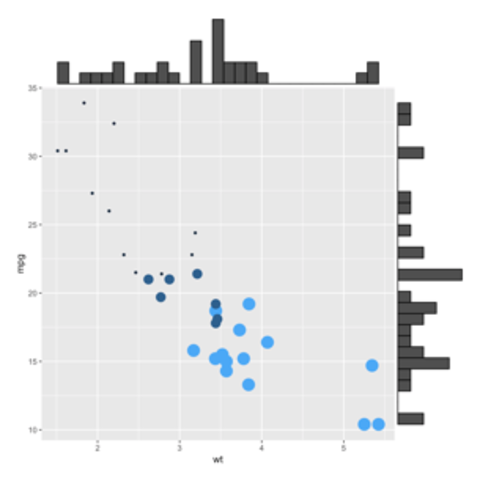
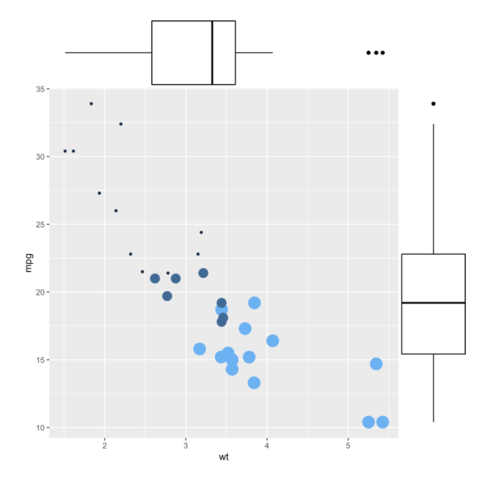
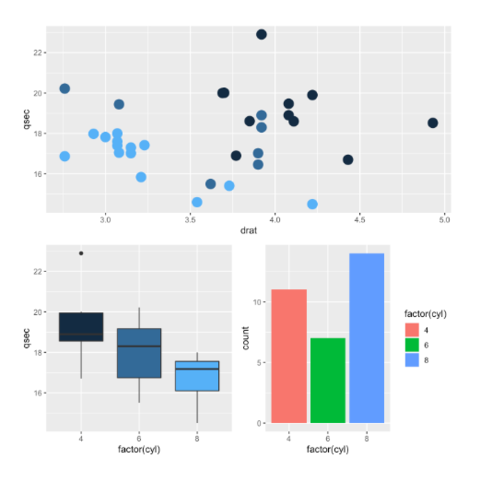
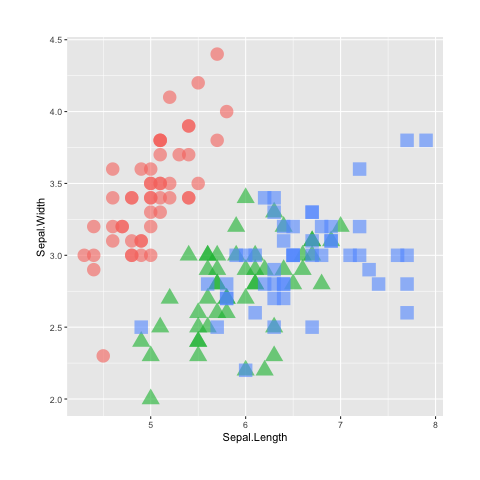
Marginal plots are not natively supported by ggplot2, but
their realisation is straightforward thanks to the
ggExtra library as illustrated in
graph #277.
ggplot2 chart appearance
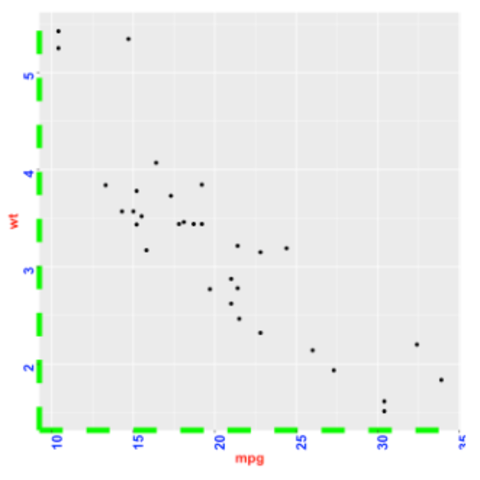
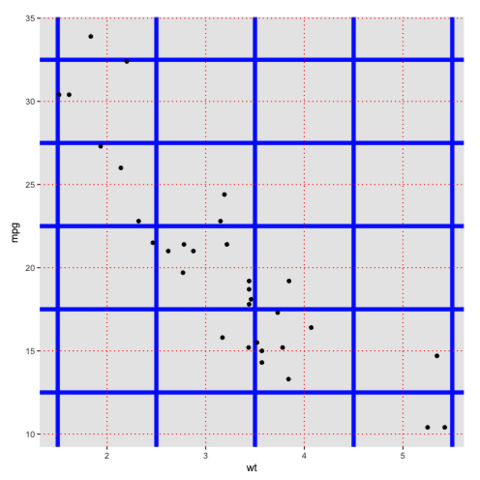
The theme() function of ggplot2 allows to
customize the chart appearance. It controls 3 main types of
components:
Here’s the official ggplot2 cheatsheet created by Posit. It covers all the key concepts of the library.
I've also compiled it with the most useful R and data visualization cheatsheets into a single PDF you can download:
ggplot2
A cheatsheet for quickly recalling the key functions and arguments of the ggplot2 library.
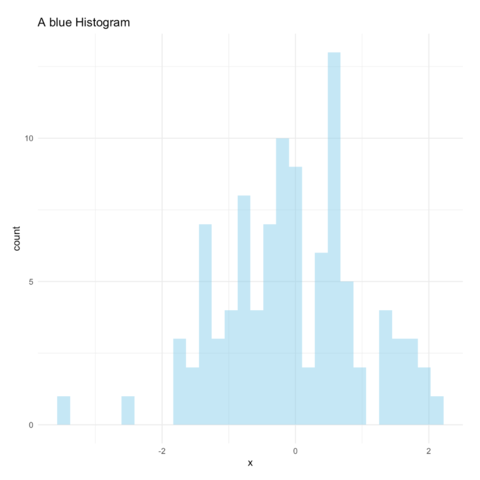
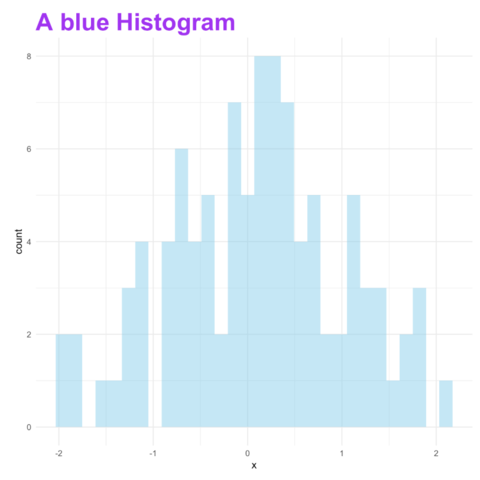
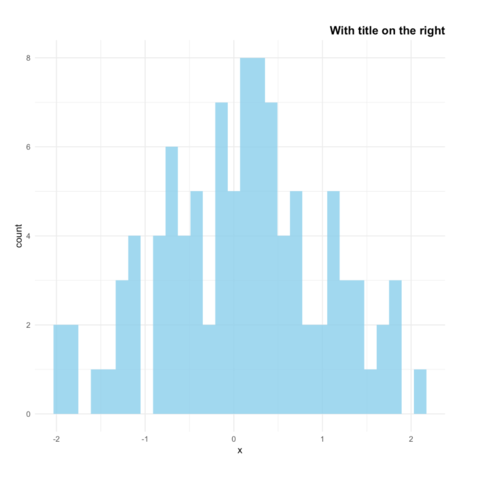
ggplot2 title
The ggtitle() function allows to add a title to the
chart. The following post will guide you through its usage, showing
how to control title main features: position, font, color, text and
more.
ggplot2
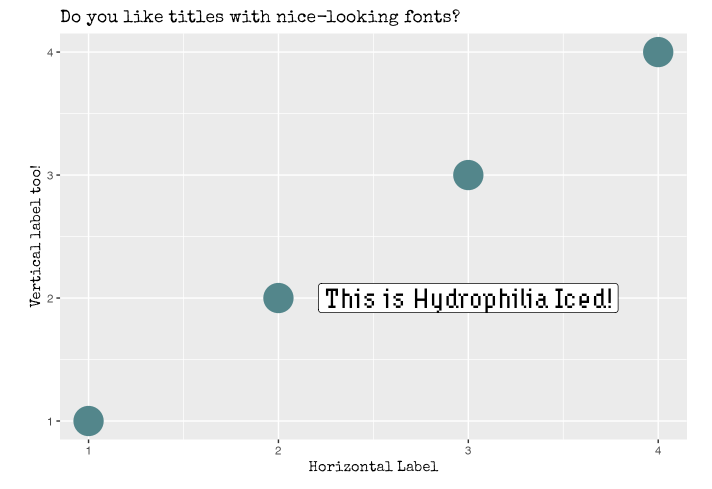
If you don't want your plot to look like any others, you'll definitely
be interested in using custom fonts for your title and labels! This is
totally possible thanks to 2 main packages: ragg and
showtext. The
blog-post below
should help you using any font in minutes.
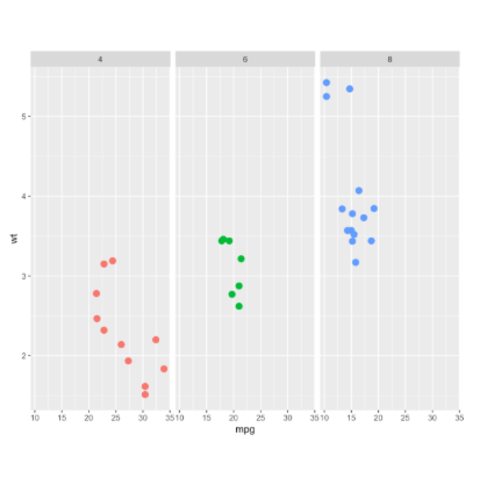
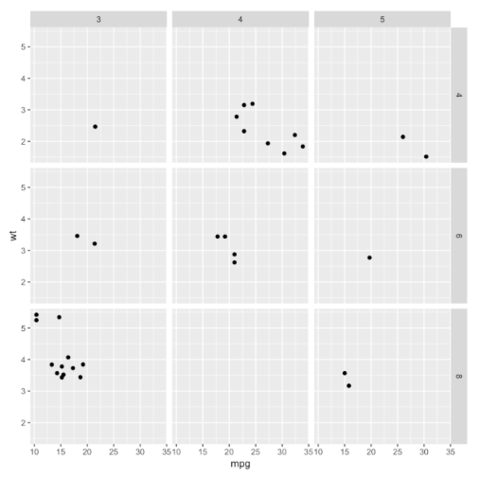
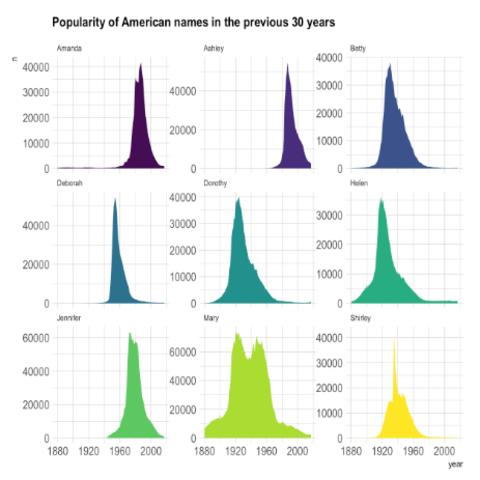
facet_wrap() and
facet_grid()
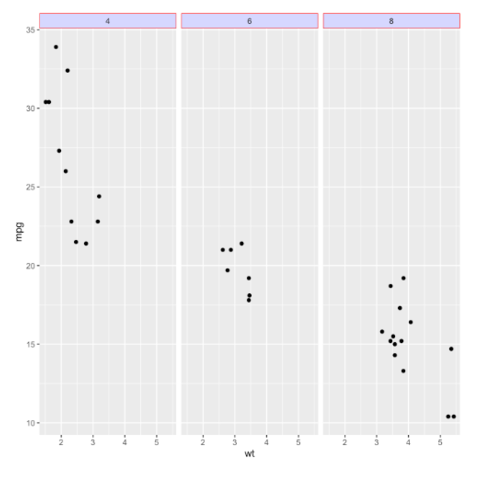
Small multiples is a very powerful dataviz technique. It split the
chart window in many small similar charts: each represents a specific
group of a categorical variable. The following post describes the main
use cases using facet_wrap() and
facet_grid() and should get you started quickly.
It is possible to customize any part of a ggplot2 chart
thanks to the theme() function. Fortunately, heaps of
pre-built themes are available, allowing to get a good style with one
more line of code only. Here is a glimpse of the available themes.
See code
: A prime example of late 90s streetwear—oversized fits, bucket hats, and retro sneakers. 💬 Community Sentiment Many collectors and fans of the genre discuss as the "gold standard" for several reasons: The "Realness"
Over two decades later, this specific entry, also known as StraĂźenflirts Folge 23 , continues to be hailed as a high-water mark for the long-running Magmafilm series. But what exactly makes this 1999 release so special? And why has the phrase " Strassenflirts 23 1999 better " become a rallying cry for fans who feel that modern iterations have lost their way?
Strassenflirts " (StraĂźenflirts) series is a long-running German adult film franchise produced by Magmafilm and MTC GmbH. The specific entry, , is often associated with 1999 or 2000 in various databases and follows previous installments like Strassenflirts 17 and 19 .
, released in 2000 , is a specific entry in the long-running German adult video series of the same name, produced by MTC GmbH . The keyword "Strassenflirts 23 1999 better" likely refers to a common comparison among fans regarding whether the year 1999 (which saw the release of Strassenflirts 21 ) or the year 2000 (which featured Strassenflirts 23 ) represented the peak of the franchise's "street flirt" format. The Context of the Strassenflirts Series
: Understanding and respecting boundaries, making the interaction enjoyable for both parties.
The following performers are credited in this specific installment: Mirco Schebsdau (as Mike) Ilene Blue Kati Crown (also credited as Regina Petit) Cerien Danja Karina Rita Series Context
. While the 23rd installment was released in 2000, the series was most prominent in the late 1990s, with various titles like StraĂźenflirts 17 StraĂźenflirts 19 being released in 1999. Key Features of StraĂźenflirts 23
You can spend weeks texting someone on an app, building up a false sense of intimacy, only to meet in person and realize there is absolutely no spark.
The late 1990s represented a unique period for adult cinema. Productions often had larger budgets and a cinematic quality. The use of film stock, real locations, and a greater emphasis on story could give these films a more organic and immersive feel. In contrast, modern entries shot on digital video can sometimes lack this texture.
Was Strassenflirts 23 from 1999 objectively better? Yes. Because it captured humans before we became avatars. Now go outside and flirt like it’s 1999.
The "better" quality cited by collectors stems from the production’s decision to eschew traditional studio sets in favor of real-life urban environments. This gave the 1999 volume a "street-level photography" vibe, contrasting sharply with the sterile ambiance of later releases. The Transitional Aesthetic: 1999 serves as a bridge between the retro aesthetic of the early-90s and the digital boom of the 2000s. Volume 23 captures the "low-fi" charm of analog film but with the narrative confidence of a series that had found its footing.
How the changed distribution networks in the year 2000 Share public link
: Interactions in 1999 were less encumbered by the distractions and etiquette complexities introduced by smartphones and social media. This pre-digital era allowed for a purer form of engagement, where the focus was solely on the interaction at hand.
Eurodance and trance beats provided the soundtrack to the city streets. Why It Gained a Cult Following