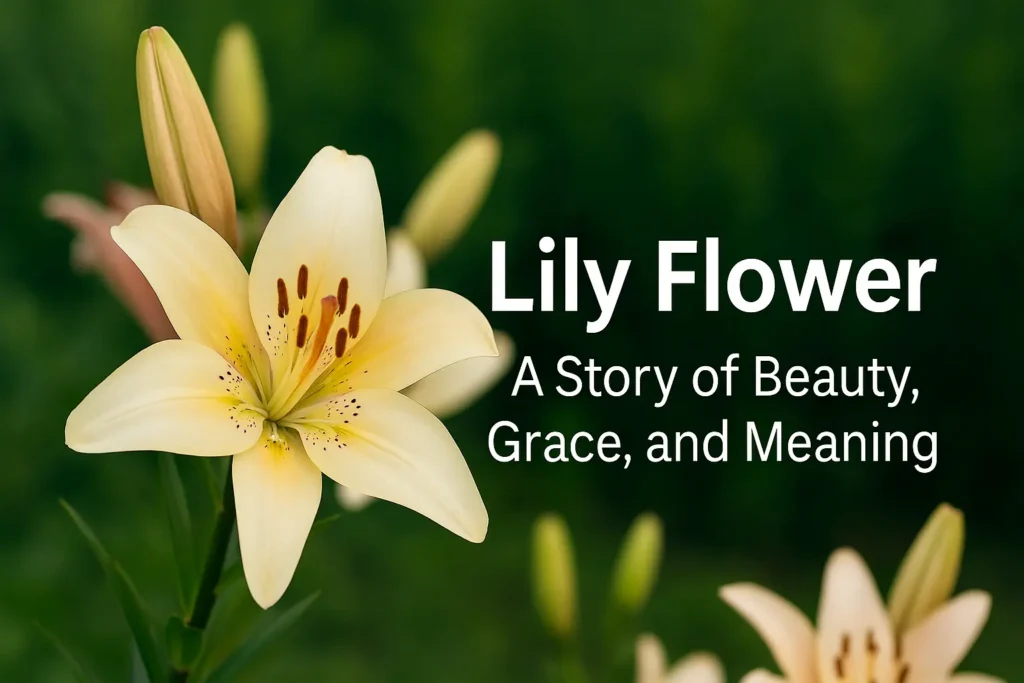
Lily Flower: A Story of Beauty, Grace, and Meaning
South Mallu Actress Shakeela Hot N Sexy Bedroom Scene With Uncle Target New Jun 2026
If you have any more questions or need further clarification, feel free to ask!
Malayalam cinema acts as a visual archive of Kerala's geographic and cultural identity. The state's distinct landscape—lush coconut groves, intricate backwaters, heavy monsoon rains, and traditional Tharavadu (ancestral homes)—is often treated as an active character in the narrative rather than a passive backdrop.
Public interviews and her autobiography revealed a story of financial exploitation by family members and industry executives, changing public perception from judgment to empathy.
If you need any more information or have further questions, feel free to ask! If you have any more questions or need
Let me know if you need further assistance!
Best!
Malayalam cinema leads India in cinematography and sound design. Experimental Plots: Public interviews and her autobiography revealed a story
Let me know if there's anything else I can help you with!
The 1970s and 1980s are often referred to as the Golden Era of Malayalam cinema. This period saw the emergence of legendary filmmakers like Adoor Gopalakrishnan, K. G. Sankaran Nair, and I. V. Sasi, who produced films that are still celebrated for their artistic and cultural significance. Movies like "Swayamvaram" (1972), "Aparan" (1982), and "Nokketha Doorathu Kannum Nattu" (1984) showcased the industry's creative prowess.
Let me know!
Best!
What they’re discovering is a cinema that doesn’t need to explain itself. You don’t need to know Malayalam to feel the claustrophobia of Ee.Ma.Yau (2018), a dark comedy about a poor man trying to arrange a dignified funeral for his father while battling church politics and his own shame. The culture is specific, but the emotions are universal.