Intitle Ip Camera Viewer Intext Setting Client Setting Extra Quality Jun 2026
 SHOP
SHOP
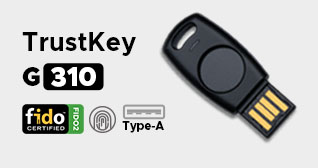
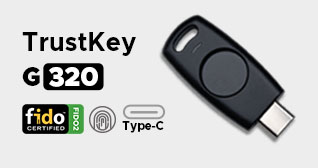
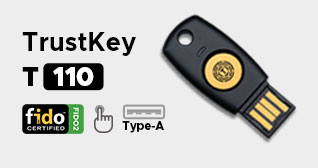
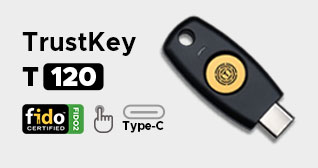
TrustKey
Global Group
The Best Partner for You
Global Group
The Best Partner for You
If your camera supports it, turn on EIS in the profile. It crops the image slightly but reduces blur from vibration.
To achieve extra quality , ensure hardware decoding is enabled if your client supports it.
Many use "admin/admin" or "admin/12345."
Vulnerability Analysis of Exposed IP Camera Management Interfaces Focus Query: intitle:"IP CAMERA Viewer" intext:"setting | Client setting" 1. Executive Summary If your camera supports it, turn on EIS in the profile
[Camera Web Interface] │ ├─► Default Credentials Left Unchanged (admin/admin) ├─► UPnP (Universal Plug and Play) Automatically Opening Ports └─► Port Forwarding Enabled on Router Without Firewall Rules │ ▼ [Indexed by Google / Shodan] ◄─── Exploited via Google Dorks
These client-side settings are crucial for how the video stream is displayed on your specific device:
Network and server-side tips: ensure LAN bandwidth and Wi‑Fi signal are strong; increase camera upload bitrate and verify RTSP/HTTP stream settings match the viewer’s client settings. Many use "admin/admin" or "admin/12345
Enable GPU decoding in your viewer software to offload processing from your computer's CPU. Summary Checklist for Best Performance Recommendation Camera Extra Stream Resolution VGA or 720p Camera Extra Stream FPS Viewer Default View Stream Extra/Sub Stream Viewer Protocol RTSP/TCP or ONVIF Network Bitrate Usage Low (~1 Mbps per camera)
: Enable MFA if the camera software supports it. Restrict Network Exposure
The reason this search term is popular among the security community, and why you are reading about it, is not because it's a legitimate user manual. Its power highlights a major security vulnerability. Never expose port 80 (HTTP)
Instead of port forwarding, use a VPN to access your home network. This adds an encrypted layer between you and the camera. 🔒 Security Checklist Password changed from default? Firmware updated to the latest version? Remote management/Web access disabled? Two-Factor Authentication (2FA) enabled if supported?
Never expose port 80 (HTTP), port 443 (HTTPS), or port 554 (RTSP) directly to the WAN via port forwarding. Instead, deploy a local VPN gateway such as WireGuard or OpenVPN. Users must securely authenticate to the local network before they can access the camera viewer or modify client settings. 3. Change Default Credentials and Software Ports
TRUST
TRUSTKEY
The best technology to move the world
Trustkey G-Series
How to login using TrustKey
How to login to Microsoft AAD using TrustKey
Go to TrustKey
We contribute the World of convenience and prosperity with the best technology and services.
TRUSTKEY
TrustKey Product
Detail
TRUSTKEY
FIDO Solution
Detail
Meet TrustKey’s expert.
CONTACT US
Copyright © 2020 TrustKey. All Rights Reserved.