 CALL US: +31 (0)45-5748190 |
 On-Wall mount Kiosk Systems
|
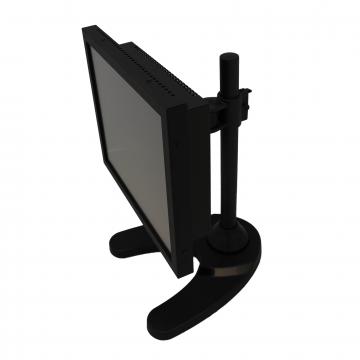 Desktop |
 Panel mount |
 Rear (glass) mount |
 19" Rack mount |
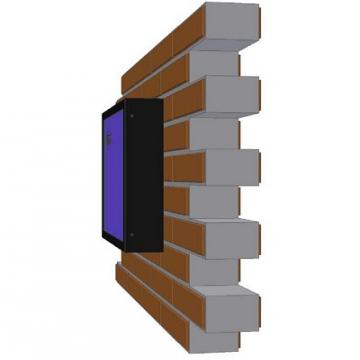 On-wall mount |
 In-wall mount |
|||
 Desktop |
Panel mount |
Rear (glass) mount |
19" Rack mount |
 On-wall mount |
In-wall mount |
 Resistive |
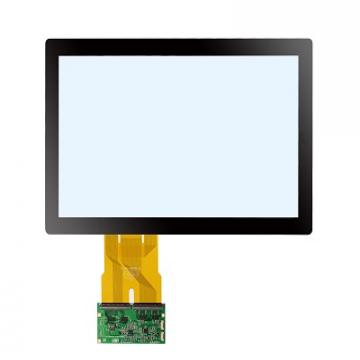 PCAP A1Touch |
 Surface Capacitive |
 SAW |
 PCAP Zytouch |
 InfraRed |
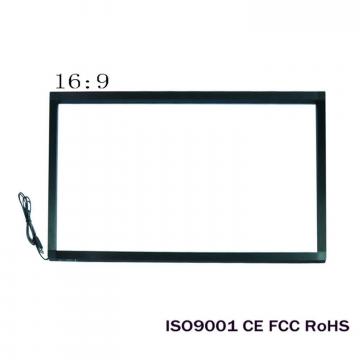 InfraRed |
During the 1950s and 1960s, cinema drew directly from powerhouse Malayalam literature. Prominent authors like Vaikom Muhammad Basheer, Thakazhi Sivasankara Pillai, and M.T. Vasudevan Nair transitioned into screenwriting.
You cannot watch a Malayalam film without seeing karimeen pollichathu (pearl spot fish), appam , and beef fry . Meals are long, laborious, and integral to plot. The heavy rain— mazha —is a visual signature. In Kumbalangi Nights , the flooded, rusty, beautiful backwaters of a dysfunctional family’s home become a metaphor for mental health.
Kerala has a deeply entrenched political consciousness (dominated by the Left and Congress). Cinema reflects this.
Malayalam cinema’s enduring strength lies in its refusal to compromise content for sheer spectacle. It remains a democratic medium where the script is the ultimate superstar. By continuously questioning societal norms, celebrating regional identity, and maintaining a high benchmark of artistic honesty, Malayalam cinema does not merely document Kerala's culture—it actively shapes and redefines it. To help tailor this content or explore further, During the 1950s and 1960s, cinema drew directly
The first silent film, directed by J.C. Daniel, confronted immediate societal issues by casting a lower-caste woman, challenging rigid caste hierarchies.
Historically, women were relegated to "angels of the house."
The roots of Malayalam cinema are deeply embedded in Kerala's rich literary tradition and progressive social reform movements. The industry's journey began with silent films like Vigathakumaran (1928), directed by J.C. Daniel, which directly confronted the rigid caste hierarchies of the time. You cannot watch a Malayalam film without seeing
J.C. Daniel, considered the "father of Malayalam cinema," produced and directed the first silent feature, Vigathakumaran The First Talkie (1938): , directed by S. Nottani, introduced sound to the industry. Golden Age of Realism (1950s–1960s): Films like Neelakuyil (1954) and Newspaper Boy
This environment has produced an audience that demands intellectual engagement from its cinema.
Malayalam cinema began with J. C. Daniel’s silent feature Vigathakumaran (1928), which notably focused on social drama rather than the mythological themes prevalent in other Indian industries at the time. In Kumbalangi Nights , the flooded, rusty, beautiful
Malayalam cinema acts as a visual encyclopedia of Kerala’s shifting cultural landscapes. The Gulf Diaspora Chronicle
The Kerala Film Corporation, established in 1963, has been instrumental in promoting Malayalam cinema, providing financial support to filmmakers and producing films that showcase the state's culture and traditions.