Location or "User's Age" might seem relevant, but for a "Perfect Playlist," the musical characteristics (Tempo/Genre) are the primary drivers of the algorithm. Phase 2: Building the Algorithm (The Logic Step)
To create a perfect playlist, one must first consider the purpose behind it. Are you curating a playlist for a workout, a road trip, or a relaxing evening? Different occasions call for distinct moods and vibes, which can be achieved by selecting songs that complement each other in terms of tempo, genre, and atmosphere. For instance, a high-energy workout playlist might feature upbeat tracks with a fast tempo, while a calming evening playlist might include soothing melodies and gentle rhythms.
Categorizing songs based on attributes like tempo (Beats Per Minute / BPM), mood, genre, and instrumentation.
Testing your playlist and fixing (debugging) it when the user isn't satisfied. EverFi Endeavor: Perfect Playlist Answer Key & Walkthrough Phase 1: Selecting the Data
Use similar user behavior for collaborative filtering.
Choose instrumental, lo-fi, or calm classical music with low-to-moderate tempo. For Relaxing: Choose acoustic, jazz, or soft pop. 3. Data-Driven Decisions
Is the user working out, studying, or relaxing? (A workout playlist requires a high BPM; a studying playlist requires low BPM/instrumental music).
The module requires you to distinguish how data maps to consumer habits. Content-based filtering looks purely at the item's attributes (e.g., if you like acoustic guitar tracks, it finds more acoustic guitar tracks). Collaborative filtering creates an invisible "web" of similar users (e.g., if you and another user share 90% of the same music taste, it recommends the remaining 10% of their music to you). 2. Trade-offs and Optimization
In studies of user preferences, a collaborative engine suggests content based on group trends, while content-based engines focus on individual history. Data Types:
Everfi Endeavor Answers Key: Perfect Playlist Fixed !new!
Location or "User's Age" might seem relevant, but for a "Perfect Playlist," the musical characteristics (Tempo/Genre) are the primary drivers of the algorithm. Phase 2: Building the Algorithm (The Logic Step)
To create a perfect playlist, one must first consider the purpose behind it. Are you curating a playlist for a workout, a road trip, or a relaxing evening? Different occasions call for distinct moods and vibes, which can be achieved by selecting songs that complement each other in terms of tempo, genre, and atmosphere. For instance, a high-energy workout playlist might feature upbeat tracks with a fast tempo, while a calming evening playlist might include soothing melodies and gentle rhythms.
Categorizing songs based on attributes like tempo (Beats Per Minute / BPM), mood, genre, and instrumentation. everfi endeavor answers key perfect playlist fixed
Testing your playlist and fixing (debugging) it when the user isn't satisfied. EverFi Endeavor: Perfect Playlist Answer Key & Walkthrough Phase 1: Selecting the Data
Use similar user behavior for collaborative filtering. Location or "User's Age" might seem relevant, but
Choose instrumental, lo-fi, or calm classical music with low-to-moderate tempo. For Relaxing: Choose acoustic, jazz, or soft pop. 3. Data-Driven Decisions
Is the user working out, studying, or relaxing? (A workout playlist requires a high BPM; a studying playlist requires low BPM/instrumental music). Different occasions call for distinct moods and vibes,
The module requires you to distinguish how data maps to consumer habits. Content-based filtering looks purely at the item's attributes (e.g., if you like acoustic guitar tracks, it finds more acoustic guitar tracks). Collaborative filtering creates an invisible "web" of similar users (e.g., if you and another user share 90% of the same music taste, it recommends the remaining 10% of their music to you). 2. Trade-offs and Optimization
In studies of user preferences, a collaborative engine suggests content based on group trends, while content-based engines focus on individual history. Data Types:
Download our latest research Marketer of the Future:
Download
NIVEA's Global VP, Tobias Collée, shares on the importance of humanity and cultural respect, as part of the Candid CMO series.
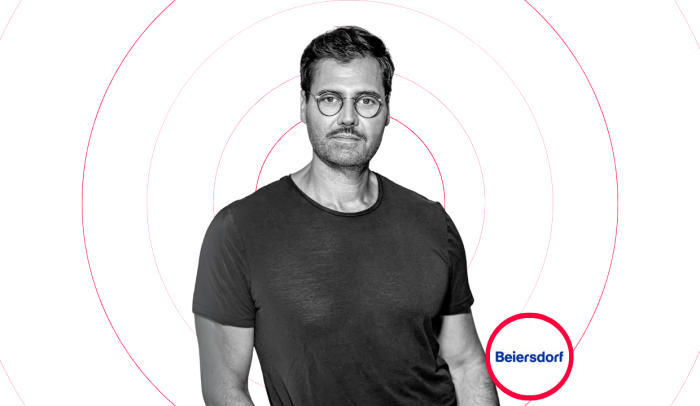
Read the interview
Global Marketer Week 2026
Stockholm
Register
Outlook
WFA's media price inflation forecast tool
Download
WFA Forums and Communities bring peers together to address their priority issues and most pressing business challenges. These groups are client only, so no agencies, media or suppliers. They are conducted under Chatham House Rules and always under strict compliance with competition rules.
WFA initiatives are designed to drive positive change for the benefit of brand advertisers, people and society at large.
WFA events bring members together to exchange insight and engage with their peers on their priority issues.
WFA develops bespoke marketing and policy tools to help members benchmark performance, view forecasts and monitor policy and marketing trends.