Desi Sexy Hot Moms Breast Vedios 3gp Sex Videos Of Hidden Cameras Download |best|s Mom Verified < QUICK >
Веб-камеры Англии
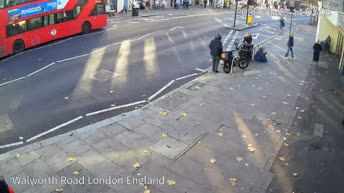
Лондон - Уолворт-роуд
Вид с Уолворт-роуд в Лондоне

Лондон - Abbey Road
Вид на знаменитую Эбби-Роуд в Лондоне
The safest data is data that never leaves your house.
One of the hottest privacy debates involves "voluntary" access. Amazon Ring’s "Request for Assistance" tool allowed police to ask users for footage without a warrant. While users could say no, the psychological pressure to comply was high. Privacy advocates argue that this creates a private surveillance state that bypasses the Fourth Amendment.
If privacy is your top priority, look for systems that support NVR (Network Video Recorder) or SD card storage . This keeps your footage on your own hardware, off the internet entirely.
The fundamental paradox of home security cameras is that they require you to violate privacy in order to protect it. When you point a camera at your front porch, you are likely also capturing the sidewalk, the street, and the front yard of the house across the road.
[ Home Security Cameras ] / \ ( Benefits ) ( Risks ) - Deterrence - Data Leaks - Evidence - Hacking - Peace - Neighbor Disputes Major Privacy Risks of Smart Cameras
A good rule of thumb is the "Spotlight Test." If you shine a literal spotlight on the area you are filming, and your neighbor squints and asks you to turn it off because it is shining in their bedroom window, you have a privacy problem.
Home security camera systems offer several benefits, including:
Home security camera systems typically consist of multiple cameras, a digital video recorder (DVR) or network video recorder (NVR), and a monitoring system. These systems can be wired or wireless, and some may include additional features such as motion detection, night vision, and weather resistance. While the primary purpose of these systems is to enhance home security, they can also potentially infringe on the privacy of individuals who live in or visit the property.
Some neighborhoods have implemented rules or regulations regarding home security cameras. For example, some communities require homeowners to post signs indicating that their property is under surveillance.
Indoor cameras are the highest risk. If you have an indoor camera:
Look for systems that support local storage via microSD cards, Network Attached Storage (NAS), or Digital Video Recorders (DVR). Keeping your footage local eliminates the cloud middleman. If you choose a system that records locally and does not connect to the internet, your footage cannot be hacked remotely. 2. Implement End-to-End Encryption (E2EE)
If your camera points directly at a neighbor’s pool, bedroom, or back door, you are creating a hostile living environment. Even if it is legal, it is unethical. Constant surveillance induces stress and self-consciousness in others.
The issue of home security cameras and privacy is a gray area. On one hand, homeowners have the right to protect their properties and feel secure in their own homes. On the other hand, individuals have a reasonable expectation of privacy in public areas.
Лондон - Уолворт-роуд
Вид с Уолворт-роуд в Лондоне
Лондон - Abbey Road
Вид на знаменитую Эбби-Роуд в Лондоне