Open source RGB lighting control that doesn't depend on manufacturer software


One of the biggest complaints about RGB is the software ecosystem surrounding it. Every manufacturer has their own app, their own brand, their own style. If you want to mix and match devices, you end up with a ton of conflicting, functionally identical apps competing for your background resources. On top of that, these apps are proprietary and Windows-only. Some even require online accounts. What if there was a way to control all of your RGB devices from a single app, on both Windows and Linux, without any nonsense? That is what OpenRGB sets out to achieve. One app to rule them all.


Version 1.0rc2, additional downloads and versions on Releases page

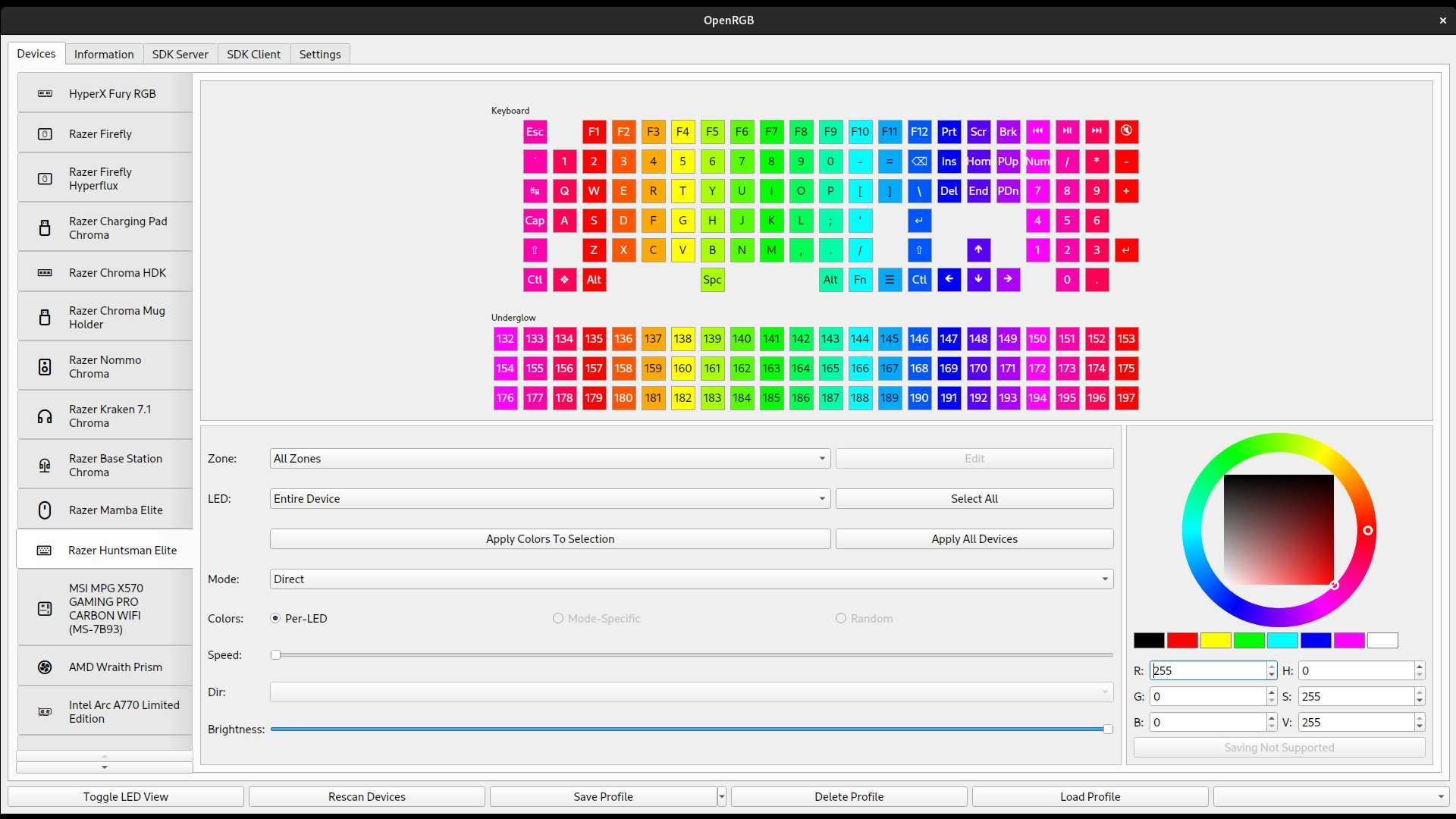
OpenRGB user interface

Control RGB without wasting system resources

Lightweight User Interface

OpenRGB keeps it simple with a lightweight user interface that doesn't waste background resources with excessive custom images and styles. It is light on both RAM and CPU usage, so your system can continue to shine without cutting into your gaming or productivity performance.

OpenRGB rules them all

Control RGB from a single app

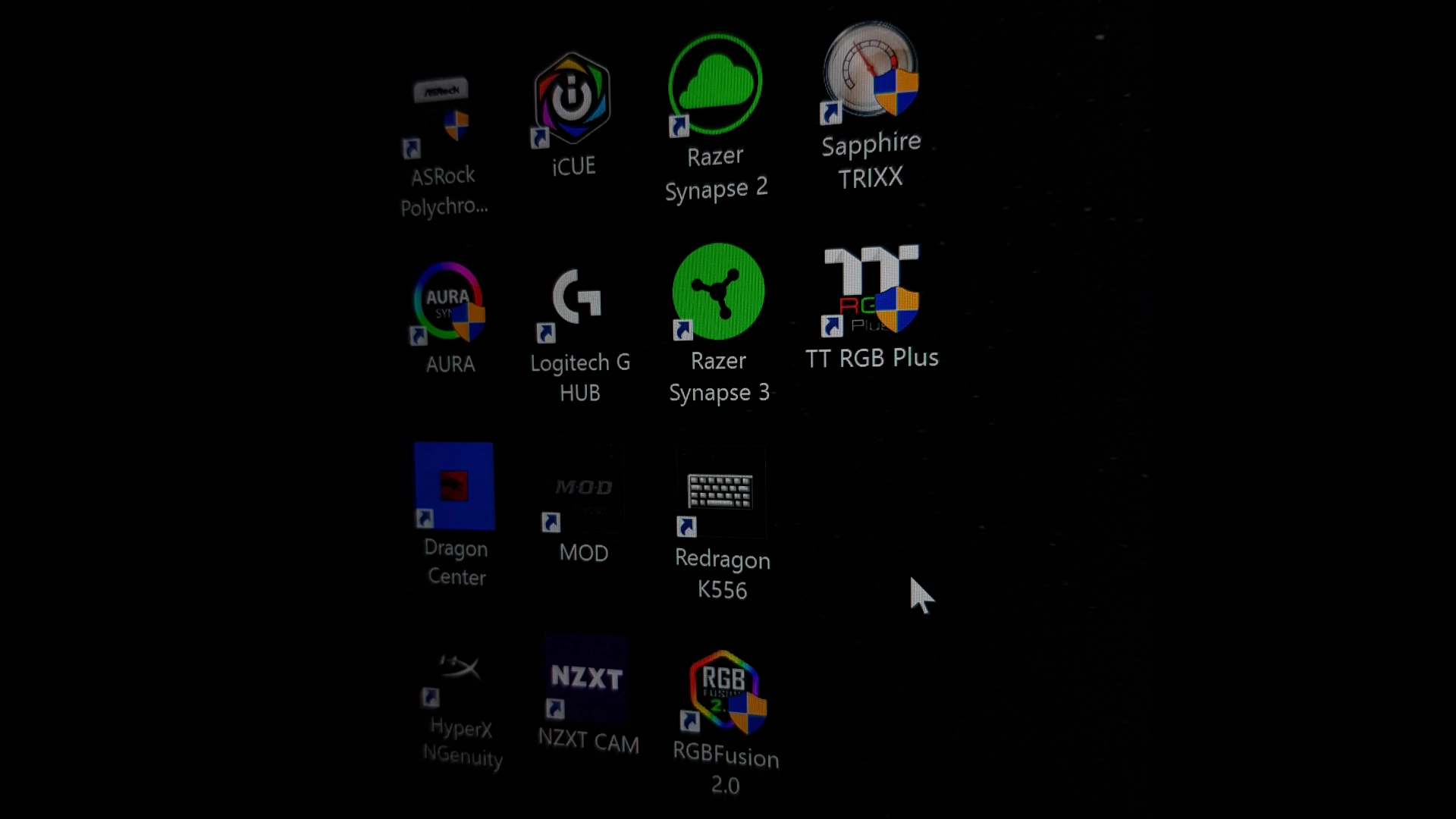
Eliminate Bloatware

If you have RGB devices from many different manufacturers, you will likely have many different programs installed to control all of your devices. These programs do not sync with each other, and they all compete for your system resources. OpenRGB aims to replace every single piece of proprietary RGB software with one lightweight app.

OpenRGB is open source software

Contribute your RGB devices

Open Source

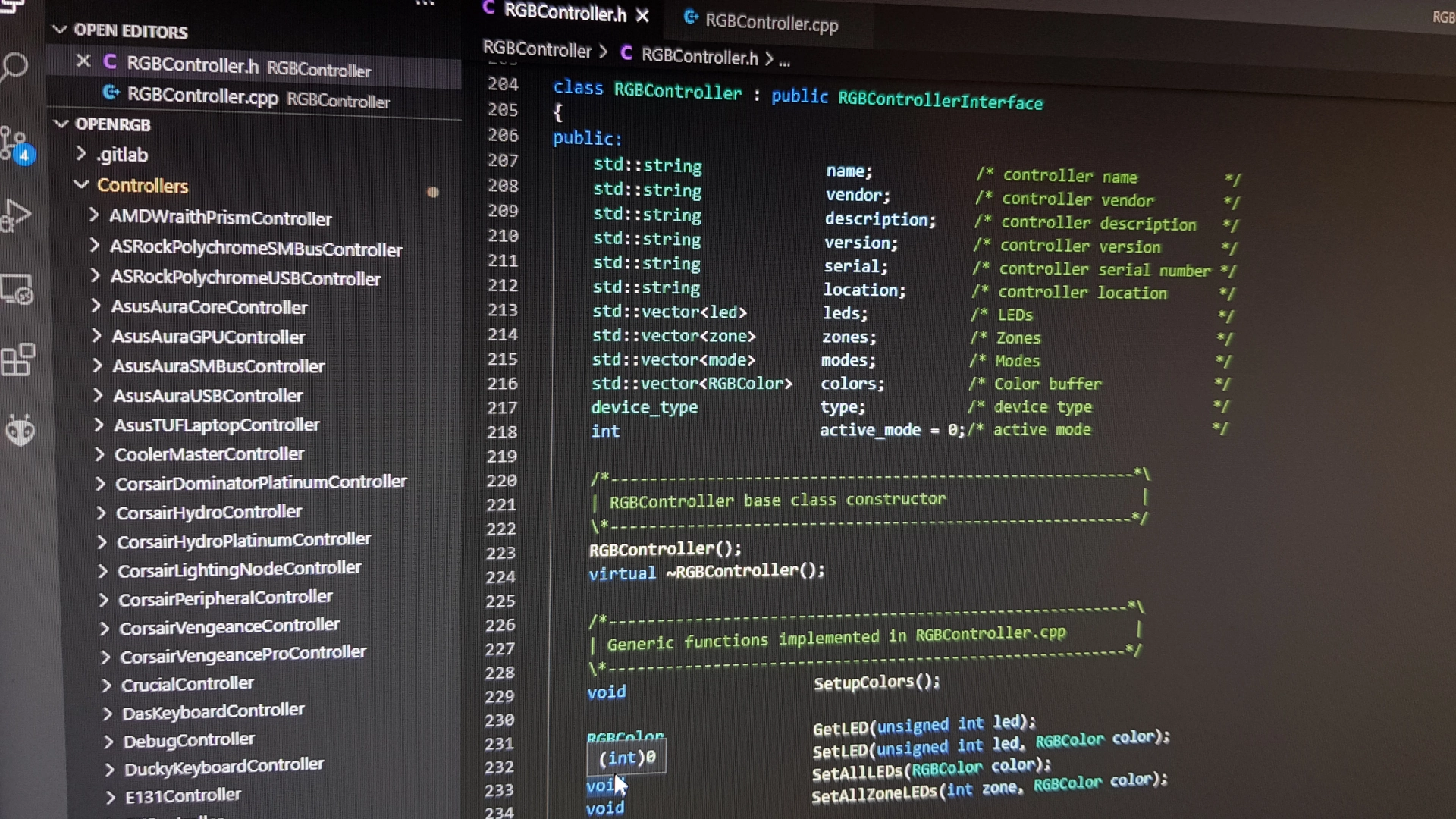
OpenRGB is free and open source software under the GNU General Public License version 2. This means anyone is free to view and modify the code. If you know C++, you can add your own device with our flexible RGB hardware abstraction layer. Being open source means more devices are constantly being added!


Check out the source code on GitLab
OpenRGB is Cross-Platform

Control RGB on Windows, Linux, and MacOS

Cross-Platform

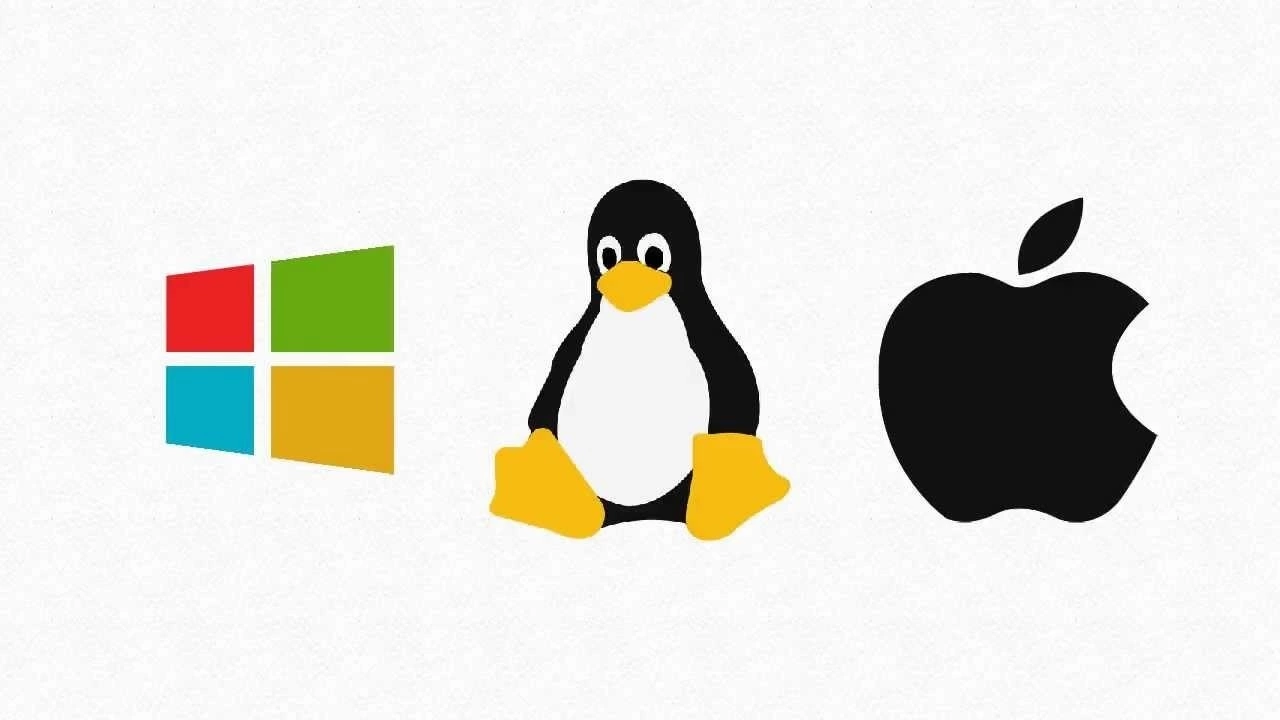
OpenRGB runs on Windows, Linux and MacOS. No longer is RGB control a Windows-exclusive feature! OpenRGB has been tested on X86, X86_64, ARM32, and ARM64 processors including ARM mini-PCs such as the Raspberry Pi.

Brazzersexxtra 24 02 05 Abigaiil Morris Im Read: Upd [verified]

Revolutionized the genre with elevated titles like Hereditary and Midsommar .

No discussion of popular entertainment studios is complete without acknowledging the sheer cultural dominance of Disney. What began as a small animation studio in 1923 has become a multi-faceted behemoth. Disney’s genius lies not just in production but in vertical integration—the ability to produce a hit (e.g., Frozen , The Lion King ) and leverage it across theme parks, merchandise, and streaming platforms (Disney+).

Where are popular entertainment studios headed? brazzersexxtra 24 02 05 abigaiil morris im read upd

As revealed by Amazon, MGM ( Metro-Goldwyn-Mayer (MGM ) has now become a part of Prime Video ( Amazon Prime Video ) and Amazon Stu... Amazon MGM Studios

While major studios focus on blockbusters, independent and mid-tier production companies drive artistic innovation, critical acclaim, and subculture phenomena. Disney’s genius lies not just in production but

Dominated family entertainment with the Despicable Me and Minions franchises.

Tech-first companies have transitioned from simple distribution platforms into high-volume, award-winning production studios. Netflix Studios Amazon MGM Studios While major studios focus on

Hollywood's script for 2026: Media mergers, Disney leadership ...

: A powerhouse in the horror genre, Blumhouse uses a cost-effective model to produce high-return hits like The Invisible Man and M3GAN .

Streaming and international entities are increasingly setting the pace for entertainment consumption.

Netflix shifted the industry paradigm by moving from content licensing to producing original content.